
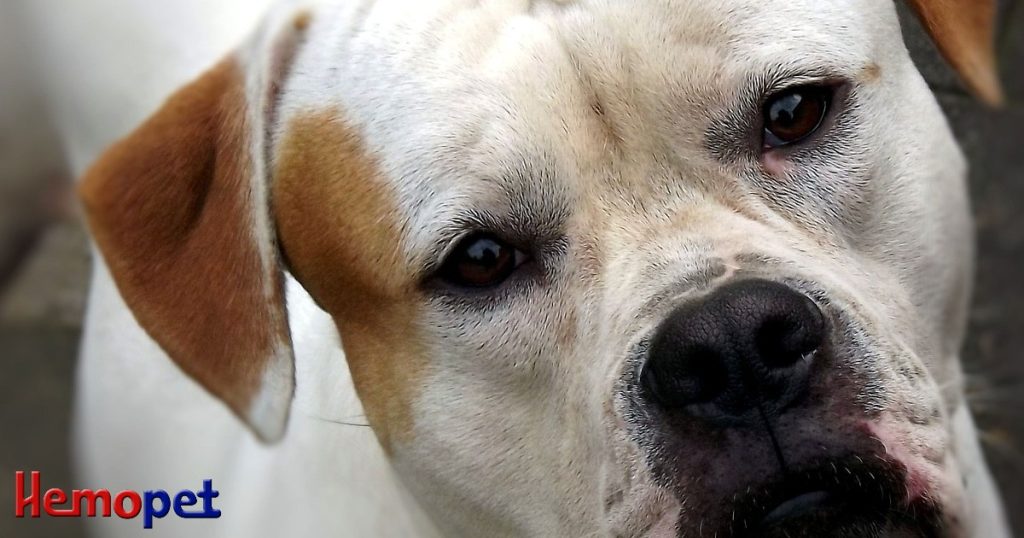
Canine Atopic Dermatitis (CAD) is caused by a reaction to environmental or seasonal inhalant or contact allergens – such as pollen, grass, mold, etc. – in genetically predisposed dogs. Many also agree that reactions to food could be the cause of, or contributing to, CAD. In this post, we will be discussing the role of vitamin D3.
First, what are the symptoms of CAD? Oftentimes, the symptoms are itchy skin especially of the face, chewing on skin and feet, excessive grooming, ear infections, and reddening of the skin. Secondary fungal or bacterial infections can occur because the companion dog has a compromised immune system due to the CAD and cannot fend them off. Pets can become irritable with the constant allergic exposures.
Medically, we have a variety of tools at our disposal such as Apoquel, antihistamines, omega-3 and omega-6 fatty acids, Cytopoint, food changes, and glucocorticoids (steroids). Increasingly, steroids are not recommended due to the long-term and systemic side effects. None of these options cure CAD; they simply alleviate symptoms.
Dorota Chrobak-Chmiel and colleagues penned a thorough review of vitamin D3 and its effects to also alleviate CAD symptoms. The two main sources of vitamin D3 are dietary supplementation and endogenous production in the skin stimulated by exposure to sunlight.
Many dogs diagnosed with CAD have a vitamin D3 deficiency. Supplementation of vitamin D3 can reduce pruritis (itchy skin), as well as the occurrence of bacterial and fungal infections.
So, why is this not well-known? Well, vitamin D3 is a vitamin, not a touted new drug.
That being said, please do not start supplementing your dog’s diet with vitamin D3 because vitamin D3 toxicity is a risk and can cause a host of problems for the liver and kidneys. It is a fat soluble vitamin, so it is stored. Thus, you need to run few tests first:
#1. Vitamin D3 blood sample analysis to determine if your companion dog has a vitamin D3 deficiency. Your veterinarian can take the blood sample and send it off to a veterinary laboratory. If your companion dog does have this deficiency, you and your veterinarian can agree on the amount of vitamin D3 supplementation needed based on your dog’s current diet and supplement use.
Please remember that vitamin D3 will not cure the disease, but potentially will alleviate symptoms. So, you also need to reduce the onslaught of allergen exposures as much as possible.
#2. Antibody IgE blood sample analysis for the specific allergens. We heard once that wool sparked CAD- like inflammation for one particular companion dog. Once that was eliminated, his symptoms cleared up. For many dogs though, multiple allergens could be exacerbating the symptoms. Think about how difficult it would be to remove pollen or grass from a dog’s environment. So, this is why we suggest a paw soak daily for dogs – particularly dogs that have CAD. Plain green tea soaks for 5 + minutes one or more times a day are a good choice as the tea is antioxidant and antimicrobial.
#2. Antibodies IgA and IgM saliva test (Hemopet’s NutriScan) for food sensitivities and intolerances. Why would we suggest this? Studies have suggested that humans and pets suffering from atopic dermatitis can also have concurrent food sensitivities, which can make symptoms worse. Let’s say you reduce CAD symptoms with vitamin D3 supplementation and try to reduce exposure to the allergen(s), but the food continues to create a low level of inflammation. You are creating a cycle of the bad chasing the good. In essence, your companion dog took two steps forward and then one step back.
Additional References
Klinger, Christoph J et al. “Vitamin D shows in vivo efficacy in a placebo-controlled, double-blinded, randomised clinical trial on canine atopic dermatitis.” The Veterinary Record vol. 182,14 (2018): 406, doi:10.1136/vr.104492, https://pubmed.ncbi.nlm.nih.gov/29419484/.
Ng, Jing Chun, and Yik Weng Yew. “Effect of Vitamin D Serum Levels and Supplementation on Atopic Dermatitis: A Systematic Review and Meta-analysis.” American Journal of Clinical Dermatology vol. 23,3 (2022): 267-275, doi:10.1007/s40257-022-00677-0, https://pubmed.ncbi.nlm.nih.gov/35246808/.